Opennings







WEI COLLECTION TIANTAI-WEI ART
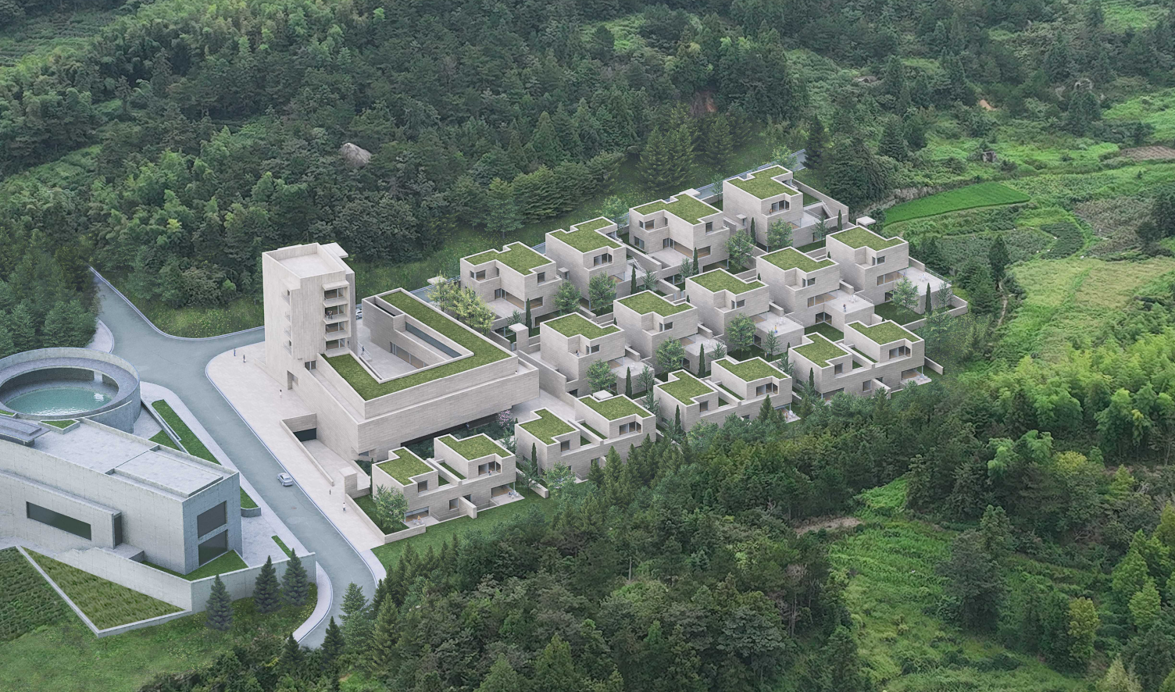
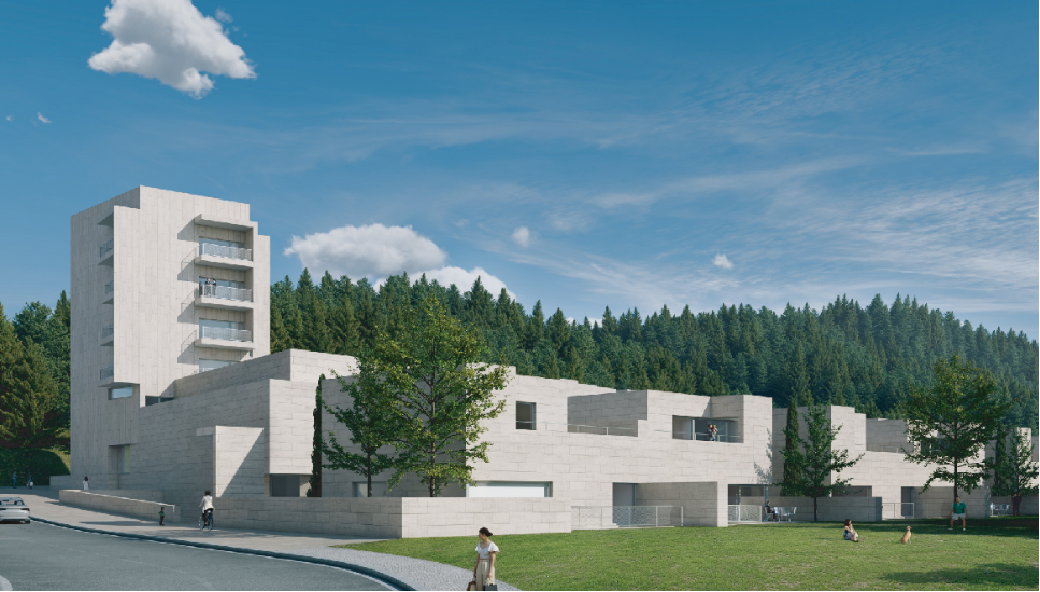
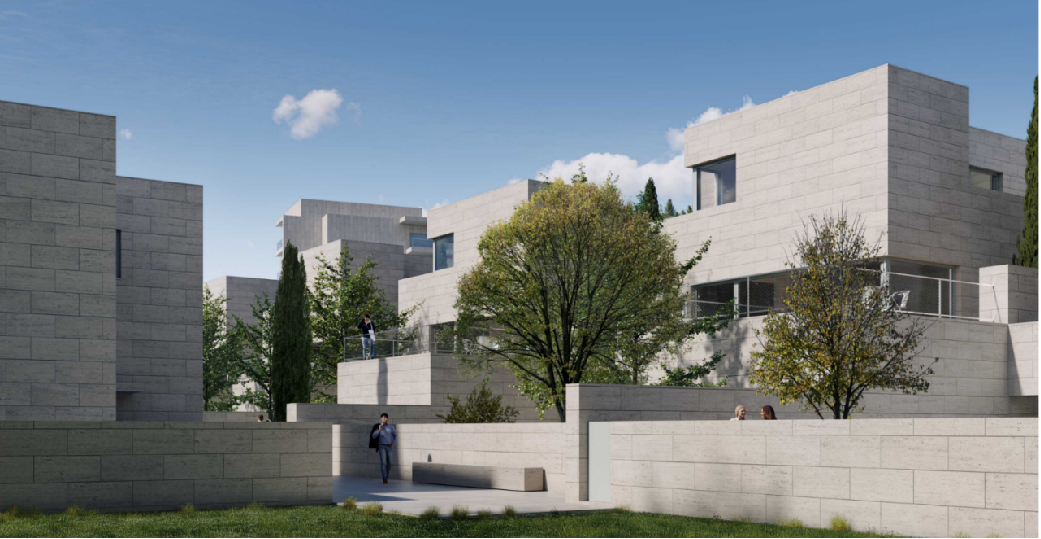
Álvaro Siza, a Pritzker Prize laureate and a renowned contem-porary architect, stands out uniquely in the field of architectu-ral design due to his profound insights into the spirit of place. He firmly believes that architecture does not exist in isolation but is closely connected to the natural environment. In the process of modernization, it should seek a delicate balance for harmonious coexistence with nature.
WEI COLLECTION TIANTAI-WEI CULTURE
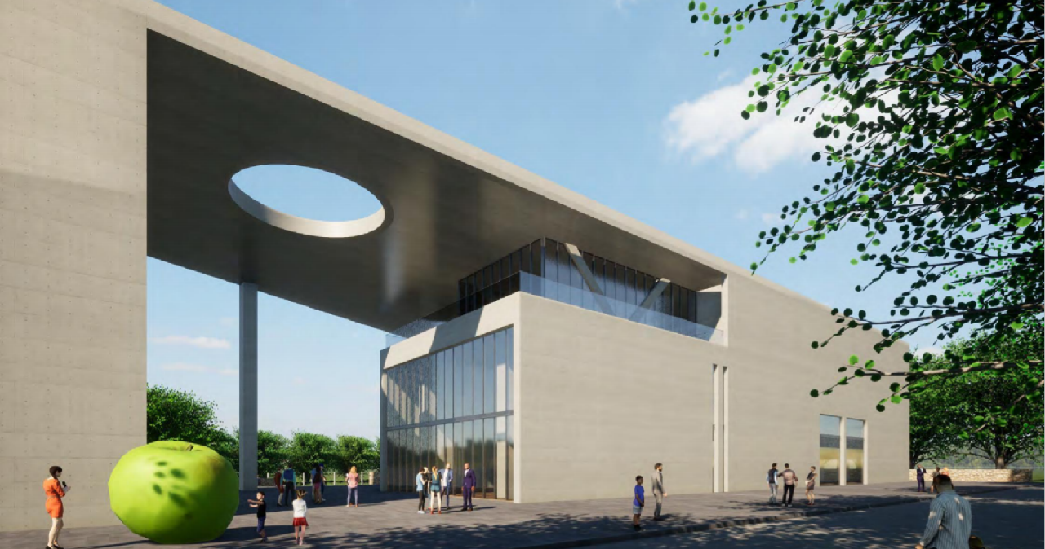
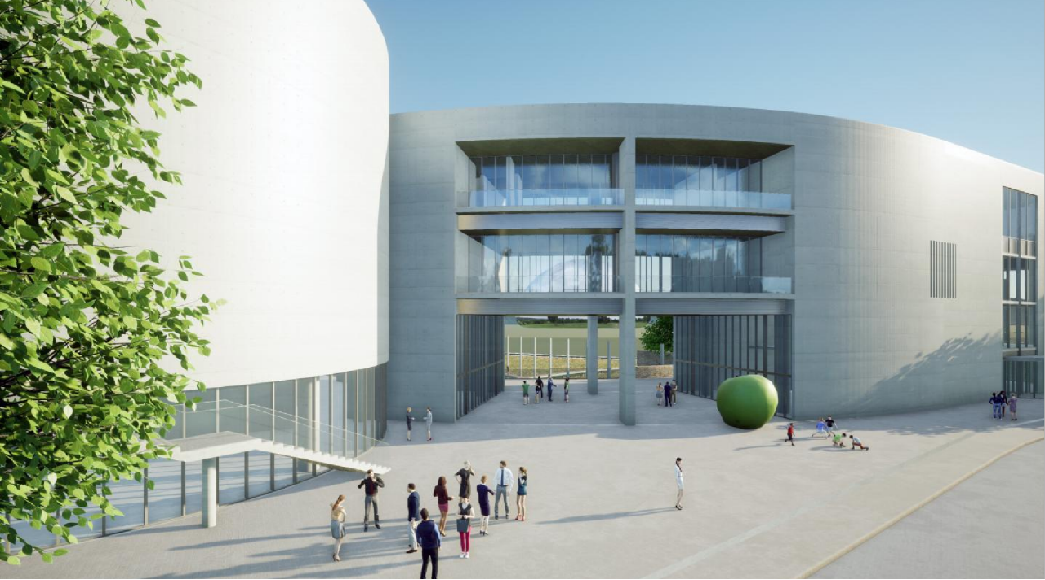
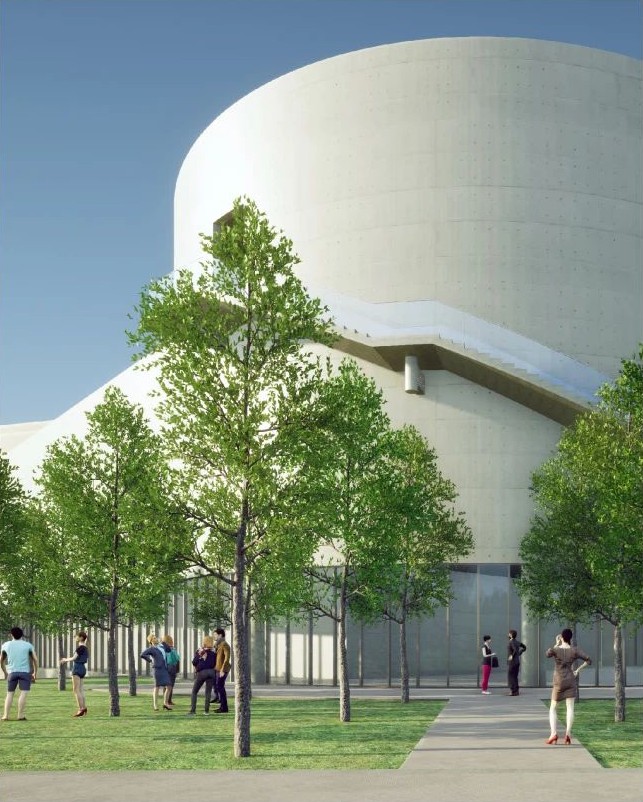
“WEI CULTURE” is a unique space that integrates diverse cult-ural experiences. It is designed by the world-renowned archit-ect and Pritzker Prize laureate Tadao Ando. Its design concept is like a symphony of harmonious resonance, perfectly integ-rating architectural aesthetics with rich cultural connotations, bringing people an unparalleled spiritual touch and cultural enjoyment.

WEI COLLECTION TIANTAI-WEI SENSES
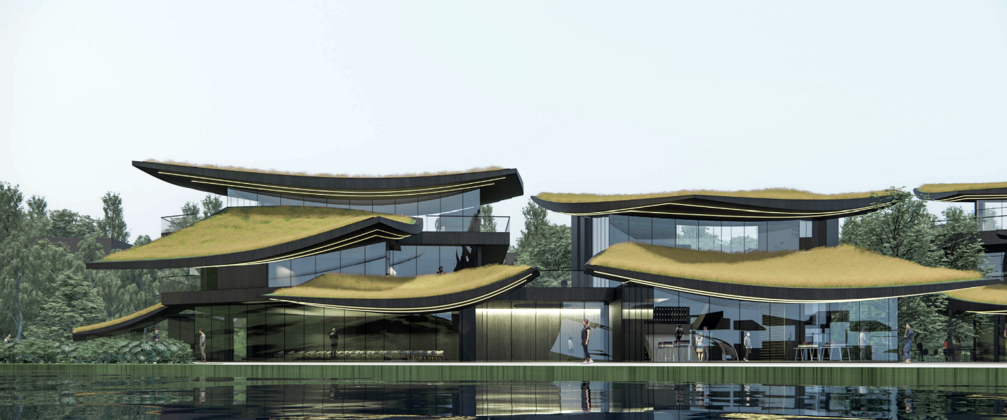
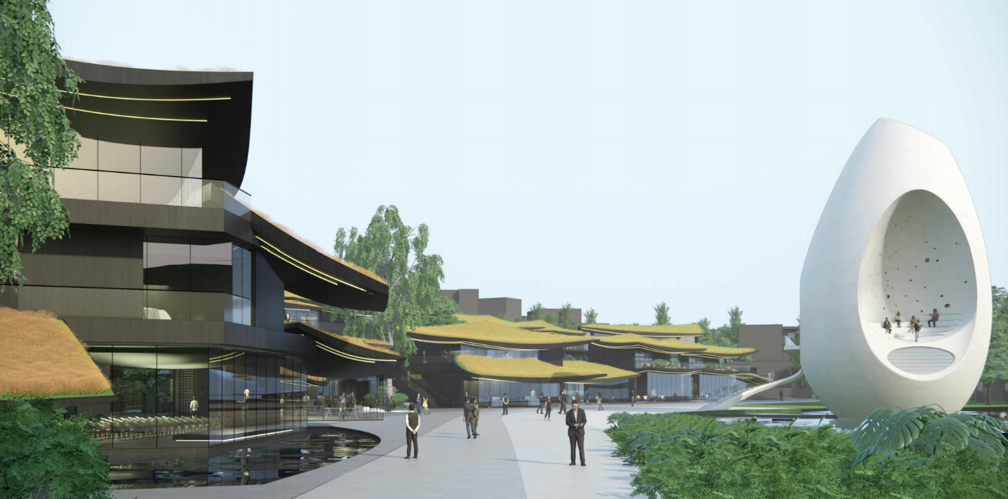
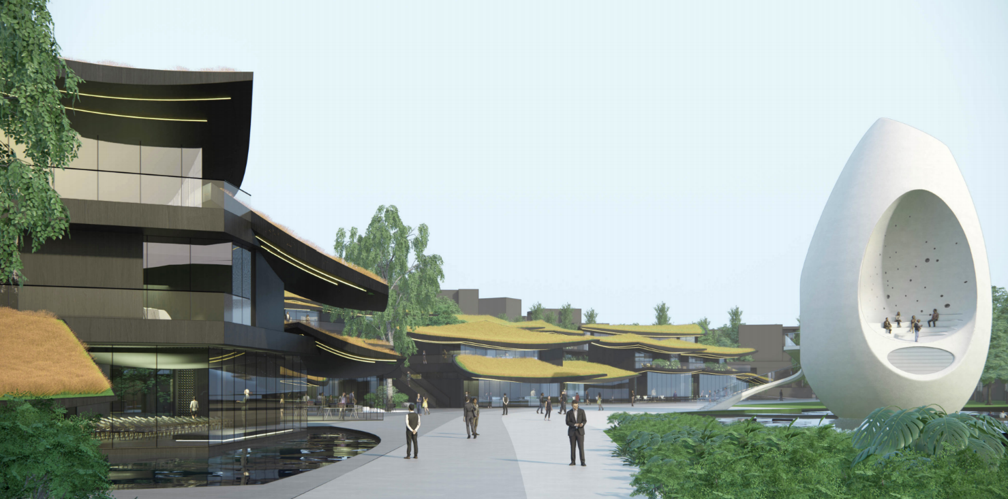
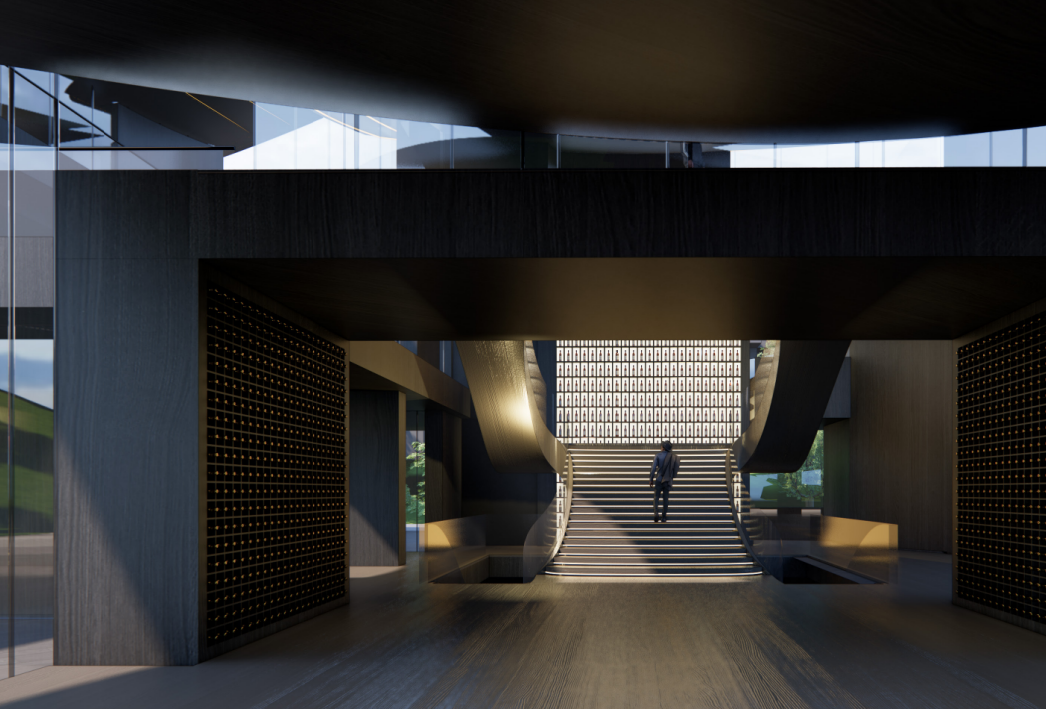
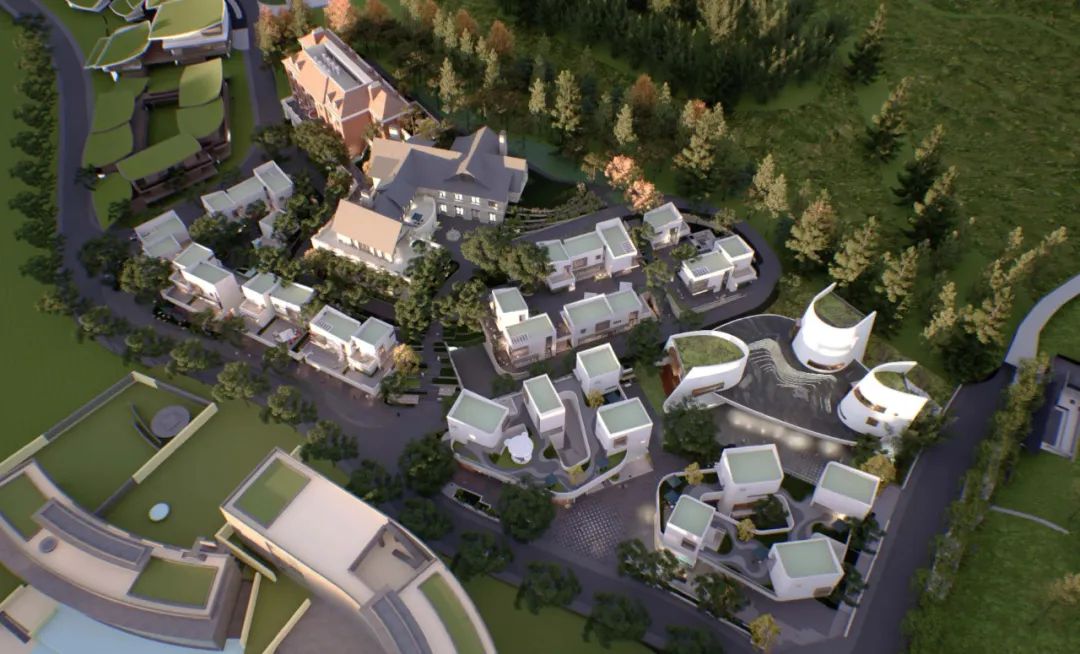
“WEI SENSES” is meticulously crafted by Ma Yansong, the first Chinese architect to win an important landmark project over-seas and also one of the most internationally influential Chinese architects. The designer takes the shape of the traditional Chinese musical instrument “Xun” as the source of visual art inspiration, which is a tribute and inheri-tance of the ancient Chinese civilization.


WEI COLLECTION TIANTAI-WEI LIFE
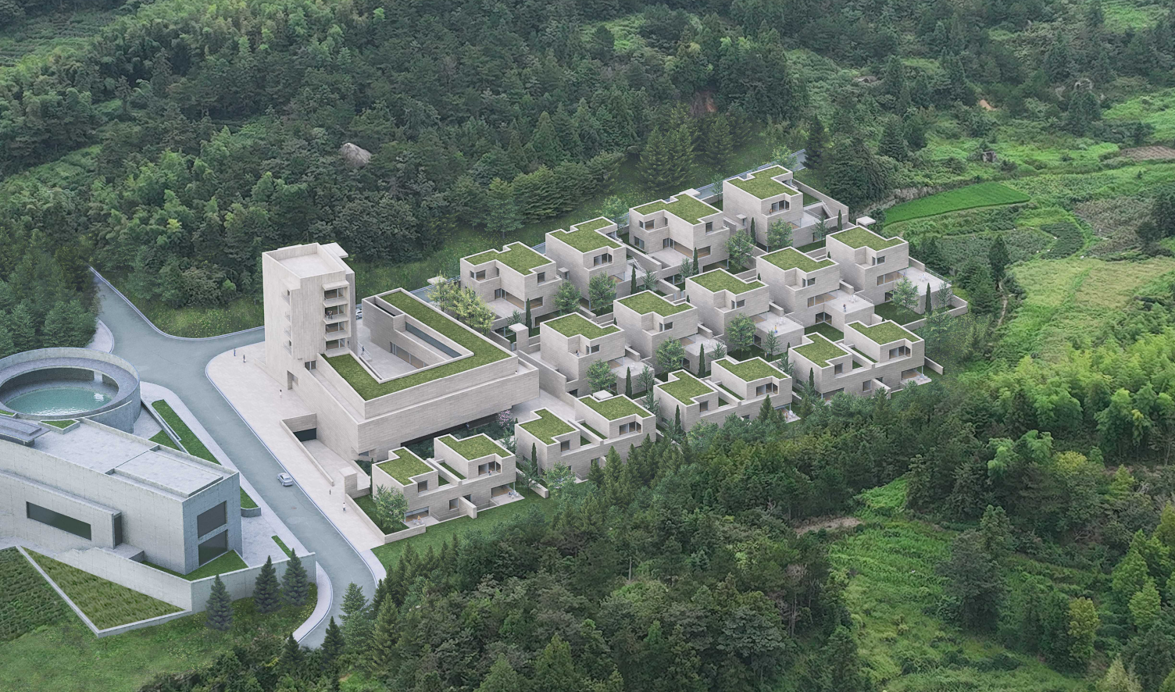
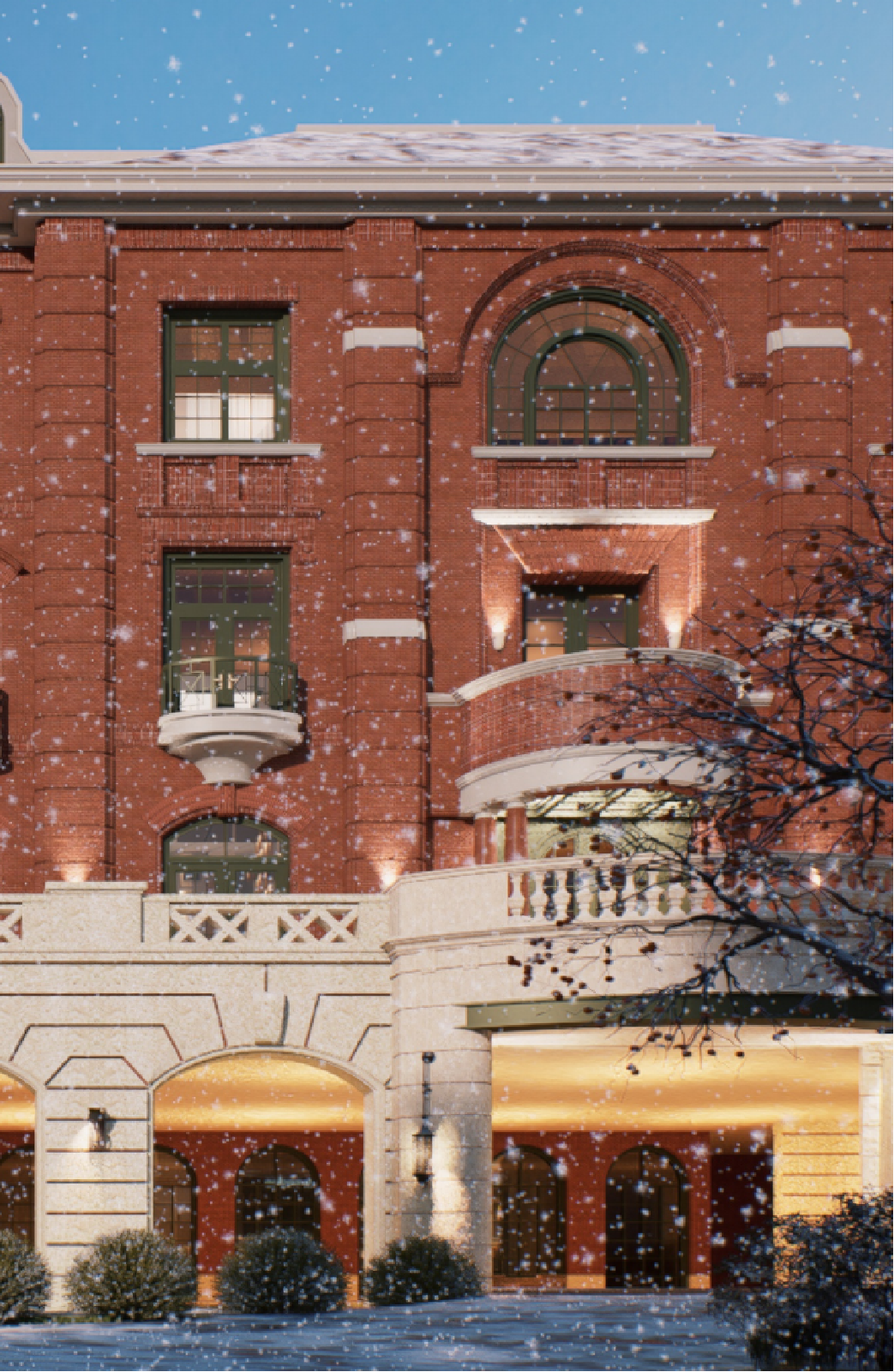
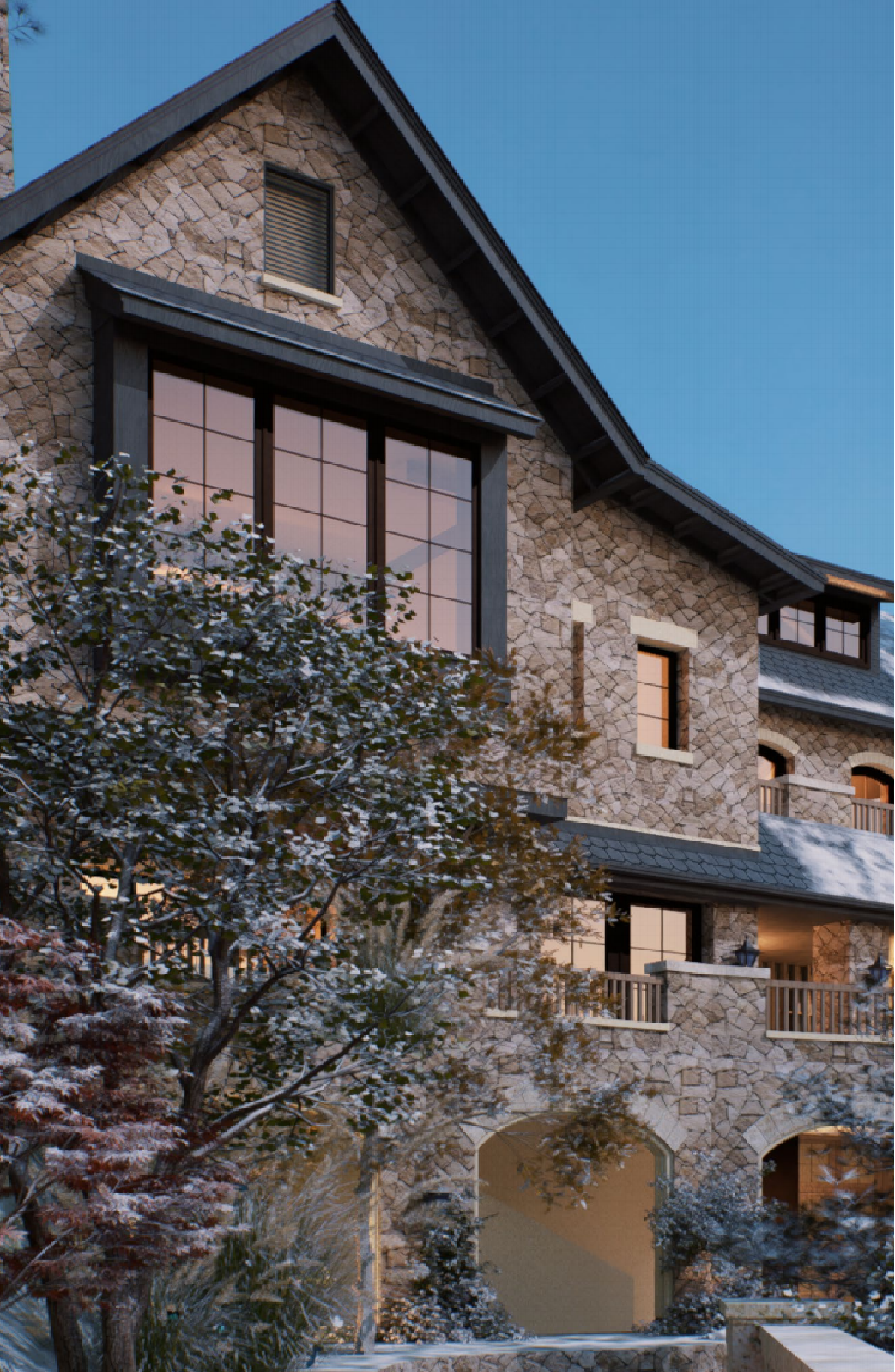
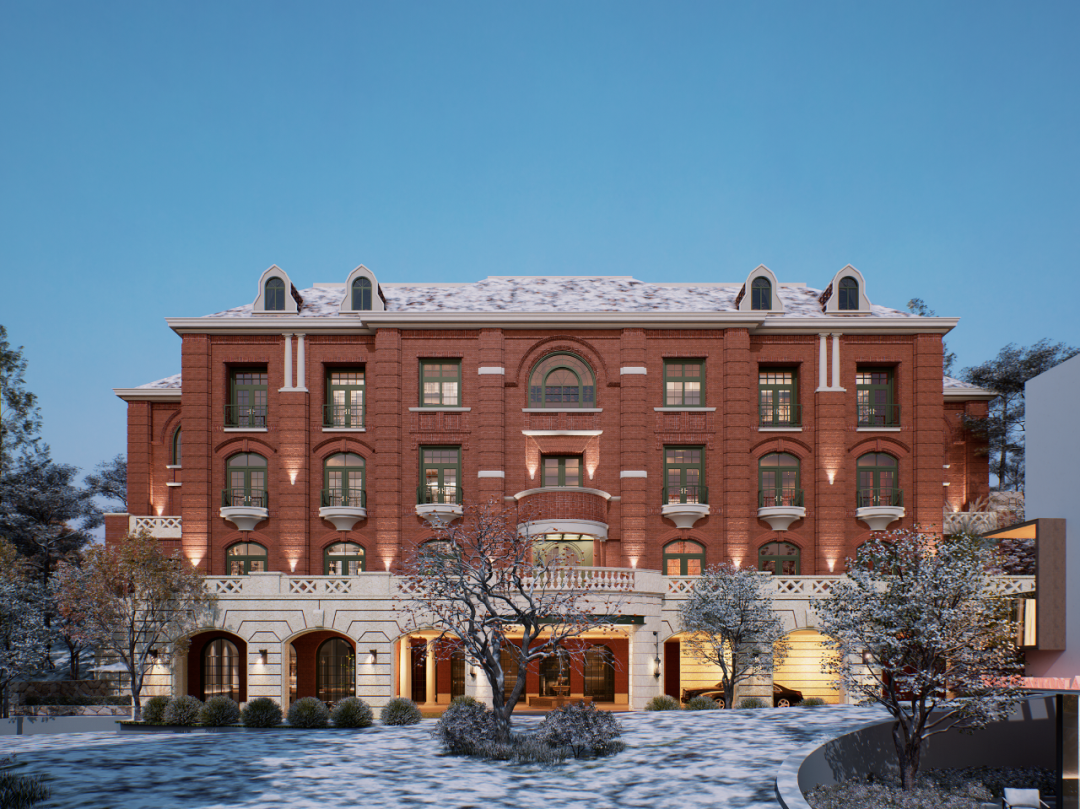
“WEI LIFE” is meticulously created by HZS, a globally reno-wned design firm that ranked first in the architectural design list of the 15th Golden Plate Award. Adhering to the respect for and in-depth exploration of regional culture, HZS ingen-iously integrates the bustling old dreams of Shanghai and the serene ancient charm of Shiliangshanju into the design of the “WEI LIFE” humanistic hotel and the Stone House Accommo-dation.
WEI Feiji
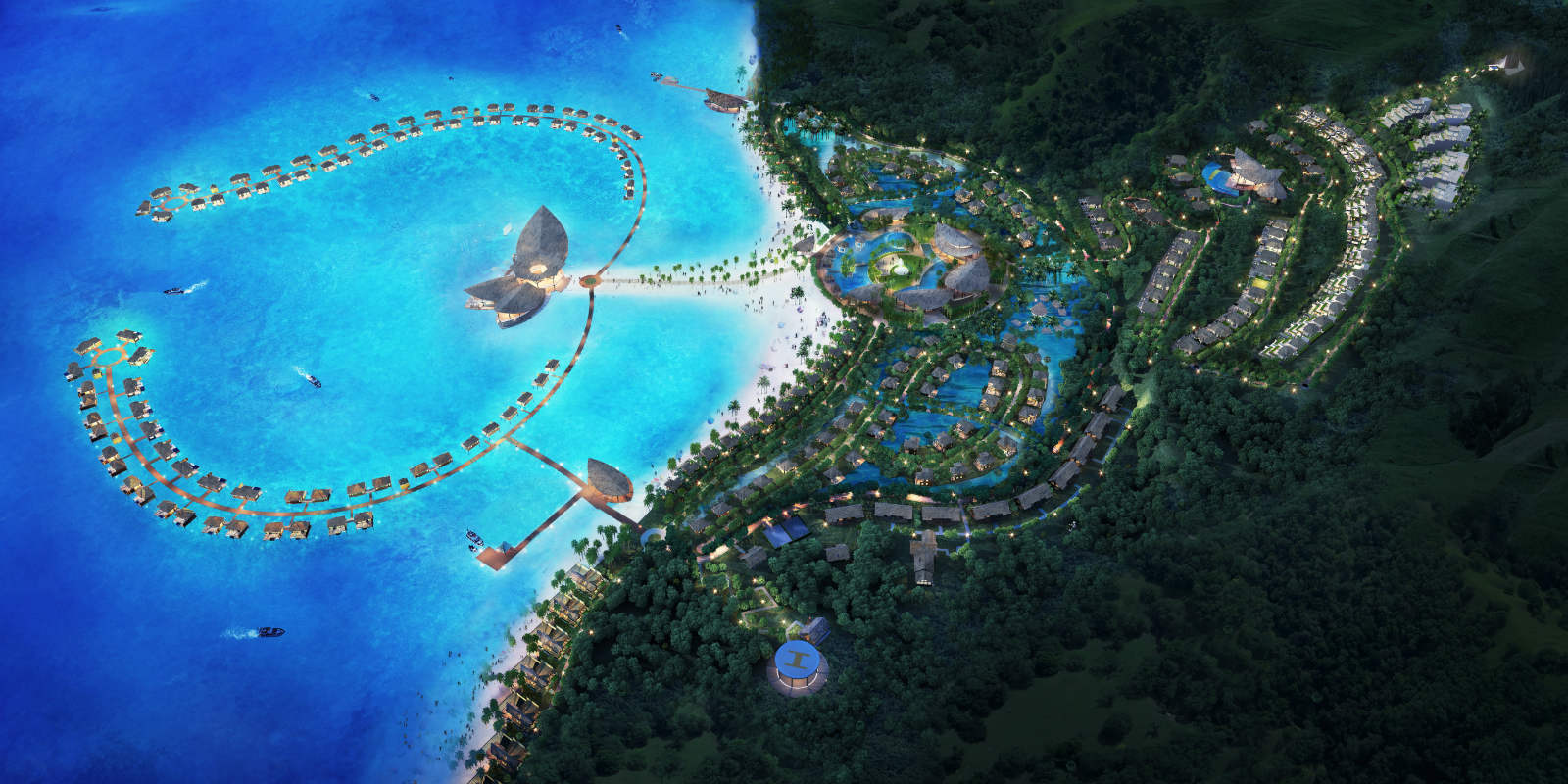
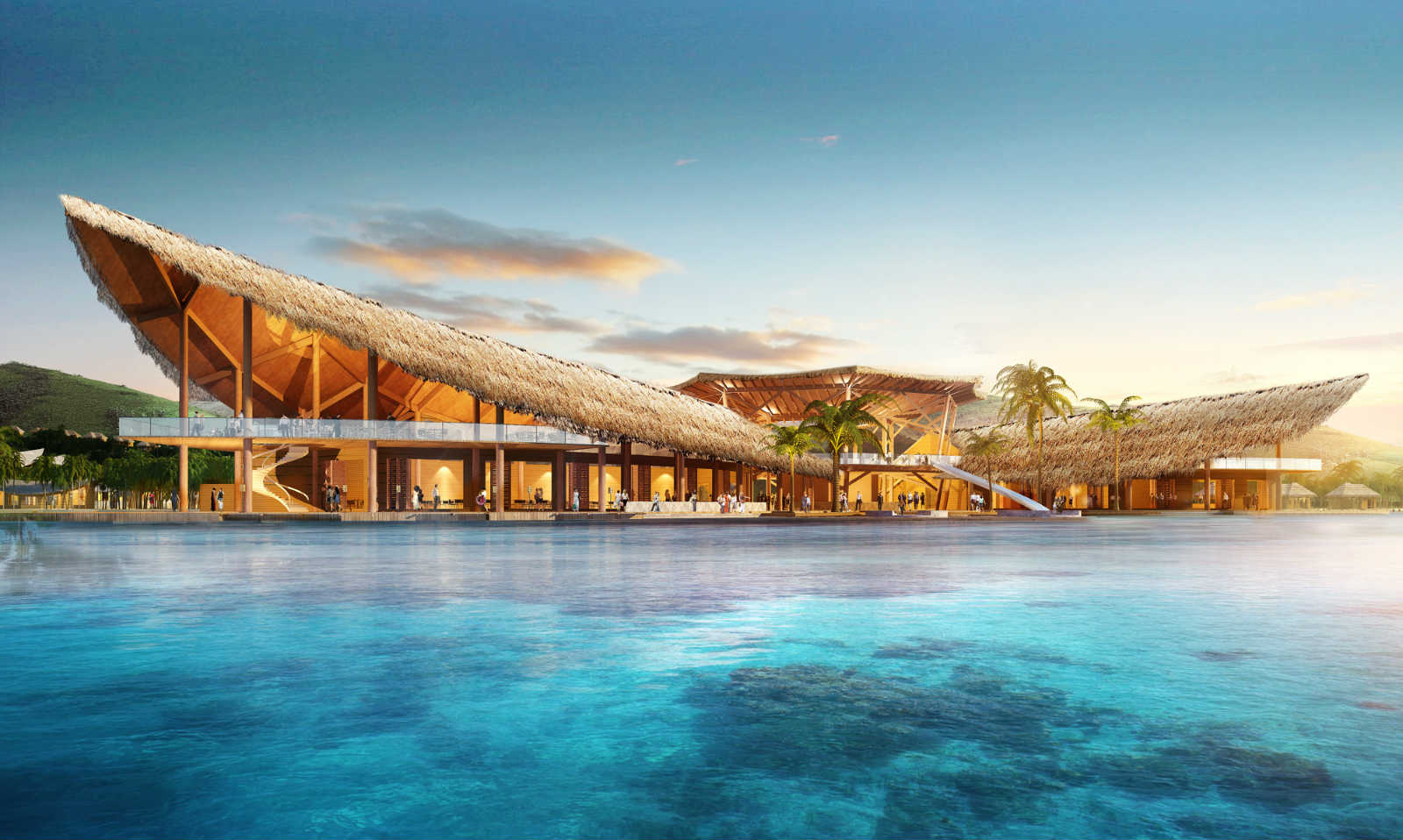
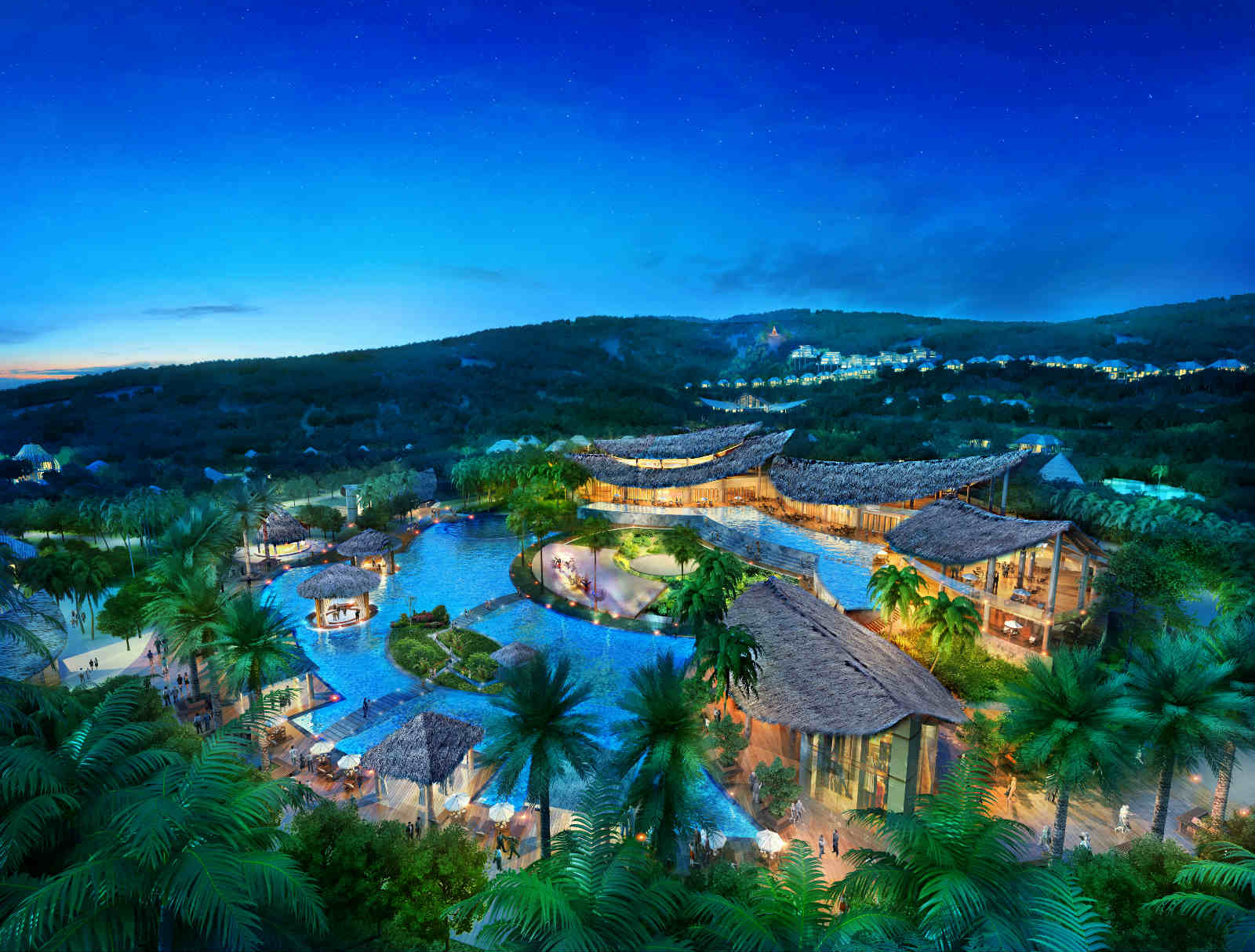
As the first oversea hotel of WEI brand, WEI Feiji is located on the country, Feiji, which owns pure sunshine. Its luxury positioning spreads the world with China’s luxury service concept and quality. The external design of the hotel fully reflects the local architectural style and its inner decoration uses Chinese elements.